
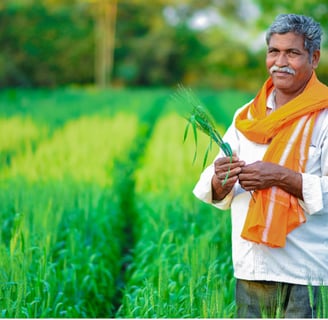
Enhancing Agriculture: IoT and AI for Sustainable Farming Solutions
As the global population continues to rise, the pressure on the agricultural sector to produce more food with fewer resources grows stronger. Traditional farming methods, while effective in the past, are no longer sufficient to meet these modern challenges. This is where technology steps in. The combination of the Internet of Things (IoT) and Artificial Intelligence (AI) is reshaping agriculture, offering smarter, more efficient, and sustainable solutions. Smart Farming with IoT IoT enables the use of smart sensors and devices that collect real-time data from the field. These sensors can monitor crucial farming conditions such as: Soil moisture Temperature Humidity pH levels Light intensity By continuously collecting this data, IoT devices provide farmers with insights into the health of their soil and crops. This data is wirelessly transmitted to a cloud-based platform or mobile application, allowing farmers to check their farm's status anytime, anywhere. For example, if soil moisture levels drop below a specific threshold, the system can alert the farmer or automatically activate the irrigation system. This precision not only helps conserve water but also promotes healthier crop growth. AI: Turning Data into Action While IoT gathers data, AI makes it actionable. AI algorithms analyze the collected information to detect patterns and trends, offering predictive insights and recommendations. This allows farmers to make smarter decisions based on accurate, up-to-date data. For example: Pest and Disease Prediction: AI can detect early signs of pest infestations or crop diseases using visual recognition and data patterns. Yield Forecasting: Based on environmental data and crop behavior, AI can estimate the expected yield. Resource Optimization: AI suggests the best time and amount for watering, fertilizing, or harvesting. AI empowers farmers to act proactively, reducing waste, minimizing crop loss, and increasing overall productivity. Automation for Efficiency By integrating IoT and AI with automated systems like smart irrigation controllers, nutrient dispensers, and climate control units, farmers can automate routine tasks. This not only saves time but also ensures consistent crop care. For instance, in greenhouses, AI can manage temperature and humidity by automatically turning fans or heaters on and off, maintaining the perfect environment for crops without human intervention. Sustainability and Environmental Impact Smart farming significantly contributes to sustainable agriculture. With real-time monitoring and AI-driven efficiency, farmers use only the required resources. This reduces the excessive use of water, fertilizers, and pesticides, which are often responsible for environmental degradation. Moreover, reducing resource usage also lowers costs for farmers — making the process both eco-friendly and economically viable. Conclusion The integration of IoT and AI in agriculture is not just a technological trend — it's a revolutionary step toward sustainability, productivity, and food security. These intelligent systems are helping farmers adapt to climate change, reduce waste, and produce more with less. As we move forward, the fusion of technology and agriculture will be key to feeding the world responsibly.
Thakur naman sen
5/8/20241 min read

Smart farming solutions